Neumann U 87 Ai Reviews: See Why 0 Shoppers Rated It 0 Stars!
Thinking of buying the Neumann U 87 Ai? These Neumann microphones earned a 0/5 from 0 users. Here’s what makes (or breaks) it.
 Supermod
  Moderator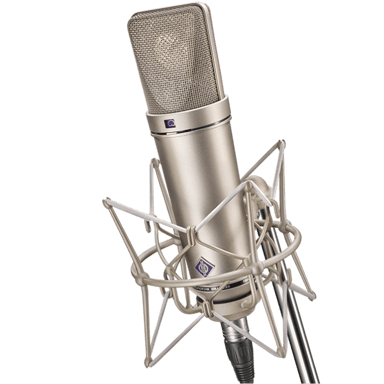
 Recaptor
 Neumann U 87 Ai Review — A Modern Classic in Studio Recording
The Neumann U 87 Ai is one of those microphones that has become almost mythical in the world of professional audio. Mention its name in any studio, and you’ll likely get a mix of respect and admiration. Originally released in 1986, this large-diaphragm condenser mic has remained a go-to tool for engineers, vocalists, and producers who want that unmistakable Neumann sound — rich, smooth, and transparent. But how does it hold up today, especially considering its premium price tag and analog design roots? Let’s dig in.
Detailed Specs & Features
At its core, the U 87 Ai is a condenser microphone with a large diaphragm capsule design, a hallmark of the brand’s smooth tonal balance and detailed sound capture. The microphone supports three selectable polar patterns — cardioid, omnidirectional, and bidirectional — making it suitable for a variety of recording situations, from intimate vocal sessions to orchestral ambience capture.
The frequency response spans from 20 Hz to 20,000 Hz, ensuring it captures both the deep warmth of a baritone voice and the crisp air of cymbals or strings. Its sensitivity of -31 dBV/Pa and 82 dB signal-to-noise ratio give it a quiet, professional-grade noise floor, perfect for studio recording environments. On top of that, the mic handles sound pressure levels up to 127 dB SPL, meaning even louder instruments like brass or drums won’t easily distort the signal.
Neumann has kept things strictly professional when it comes to connectivity. The U 87 Ai features a balanced XLR connection interface and relies on 48V phantom power to operate. There’s no USB or wireless option here — it’s designed for serious setups with audio interfaces or mixing consoles. It even uses a transformer-based output, giving it that slightly vintage warmth Neumann fans adore.
Physically, the microphone exudes German precision. Its metal body with a matte finish feels robust and timeless. The internal shockmount and the included external shockmount help isolate it from vibrations and handling noise. Measuring 7.87 inches tall and weighing 1.2 pounds, it’s a substantial but manageable size for any mic stand setup.
Design & Build
There’s a reason the U 87 Ai has been a studio staple for decades — its design blends durability with a sense of understated luxury. The metal grille and clean matte finish scream “professional tool,” not “flashy gadget.” Everything feels deliberate: from the precision of the pattern switch to the solid feel of the mount threads. While it lacks modern extras like LED indicators or digital displays, that simplicity is part of its charm. This mic isn’t trying to impress with gimmicks — it lets its performance do the talking.
Performance
On paper, the Neumann U 87 Ai’s specifications make it a high-performing microphone across nearly any studio application. The dynamic range of 115 dB gives it plenty of headroom, while the low 12 dB noise floor ensures recordings remain pristine and detailed even at low levels. Vocals are expected to come through with a silky smooth midrange, and acoustic instruments benefit from its precise transient response. Although it doesn’t have digital processing or built-in EQ presets, its natural tonal balance makes post-processing minimal — engineers often describe it as “mix-ready.”
Interestingly, while it’s known as a vocal mic, the U 87 Ai’s versatility shouldn’t be underestimated. The multi-pattern design allows it to serve equally well for drum overheads, piano recordings, and even broadcast use, thanks to its broadcast-grade certification. It’s also engineered with RF shielding, meaning it stays clean even in electronically noisy environments.
Extra Features
There’s not much in the way of modern “extras,” but that’s deliberate. The -10 dB pre-attenuation pad is handy when dealing with louder sound sources, and the multi-pattern switch provides flexibility across recording scenarios. Otherwise, Neumann has kept it stripped-down — no onboard DSP, no auto gain, and certainly no app connectivity. It’s all about pure analog signal path, which purists will appreciate.
Pros & Cons
Pros
- Outstanding studio-grade sound quality with rich, natural tone
- Versatile multi-pattern recording for various applications
- Excellent signal-to-noise ratio and low self-noise
- Durable metal construction with internal and external shockmounts
Cons
- Extremely expensive compared to newer condenser models
- Lacks modern digital features or built-in EQ profiles
Price & Value for Money
The Neumann U 87 Ai commands a hefty price tag — currently around $3750 at B&H Photo. That’s more than many full recording setups cost. So, is it worth it? For professionals, absolutely. You’re paying for decades of proven reliability, consistency across units, and that unmistakable sonic character that sits beautifully in a mix. However, for hobbyists or content creators, the investment might be hard to justify when more affordable large-diaphragm condensers can deliver “close enough” results for a fraction of the cost.
Quick Take
The Neumann U 87 Ai isn’t about flashy specs or digital wizardry — it’s about purity, reliability, and legacy. Its design and performance remain a gold standard in studio recording. Yes, it’s pricey, but it’s also timeless. If your recordings deserve the best analog warmth and clarity, this mic won’t disappoint.
Closing Recommendation
If you’re a professional engineer, vocalist, or studio owner looking to invest in a microphone that will stand the test of time, the U 87 Ai is a no-brainer. It’s not cheap, but it’s one of the few microphones that truly earns its reputation as an industry benchmark. For those building a home studio on a budget, you might admire it from afar — but for high-end production, it’s an essential tool.
Verdict
Rating: Based on the specifications and overall feature set, we believe Neumann U 87 Ai deserves 4.7 out of 5.
- Winner Feature → Multi-pattern flexibility and ultra-clean sound performance.
- Needs Improvement → Lack of modern connectivity and high cost limit accessibility.
Reviews 0
The good, the bad, and the brutally honest.Average Rating


More Microphones 1229
Unlock more awesome finds.